Loading...
Please wait
Loading...
Please wait
Nestled within the nurturing framework of the Greensville Trust, the Micro Madrasa unfolds as a graceful journey into the luminous heart of Islāmic literacy, offering a structured path of orthodox and holistic knowledge for the adult seeker. This student-centered sanctuary of learning masterfully blends venerable tradition with thoughtful innovation, employing serene academic environments and contemporary methods to facilitate profound understanding. Its meticulously designed curriculum serves as a living bridge to the pure source of all guidance.
Beginning with the Foundational Year, students are introduced to the core disciplines through celebrated texts like Imām ad-Dardīr's The Beautiful Pearl in Theology and Imām al-Ghazālī's The Beginning of Guidance in Spirituality, Imām Bahraq's Illuminated Gardens in Prophetic Biography and Imām Mūṣilī's Quintessential Verdicts in Law. Each subject is meticulously rooted in our rich academic tradition, predicated upon both Qur'ānic and Sunna disciplines.
As students progress through the second and graduate year, they delve deeper into jurisprudence through Imām al-Mūṣilī's authoritative Quintessential Legal Verdicts and ascend the spiritual path with masters like Imām al-Ḥaddād (r) and Imām al-Ghazālī (r). In doing so, they trace the flourishing legacy of the mujtahid Imāms and the great scholars who faithfully carried the prophetic light through centuries.
Thus, from journeying through Prophetic Biography and Shamā'il Qualities to the intricacies of Qur'ānic Arabic and Legal Theory, every lesson becomes a singular, coherent thread woven from the divine tapestry. This ensures that students not only acquire knowledge but also connect — heart and mind — to the unbroken chain of transmission that defines and preserves the eternal message of Islām.
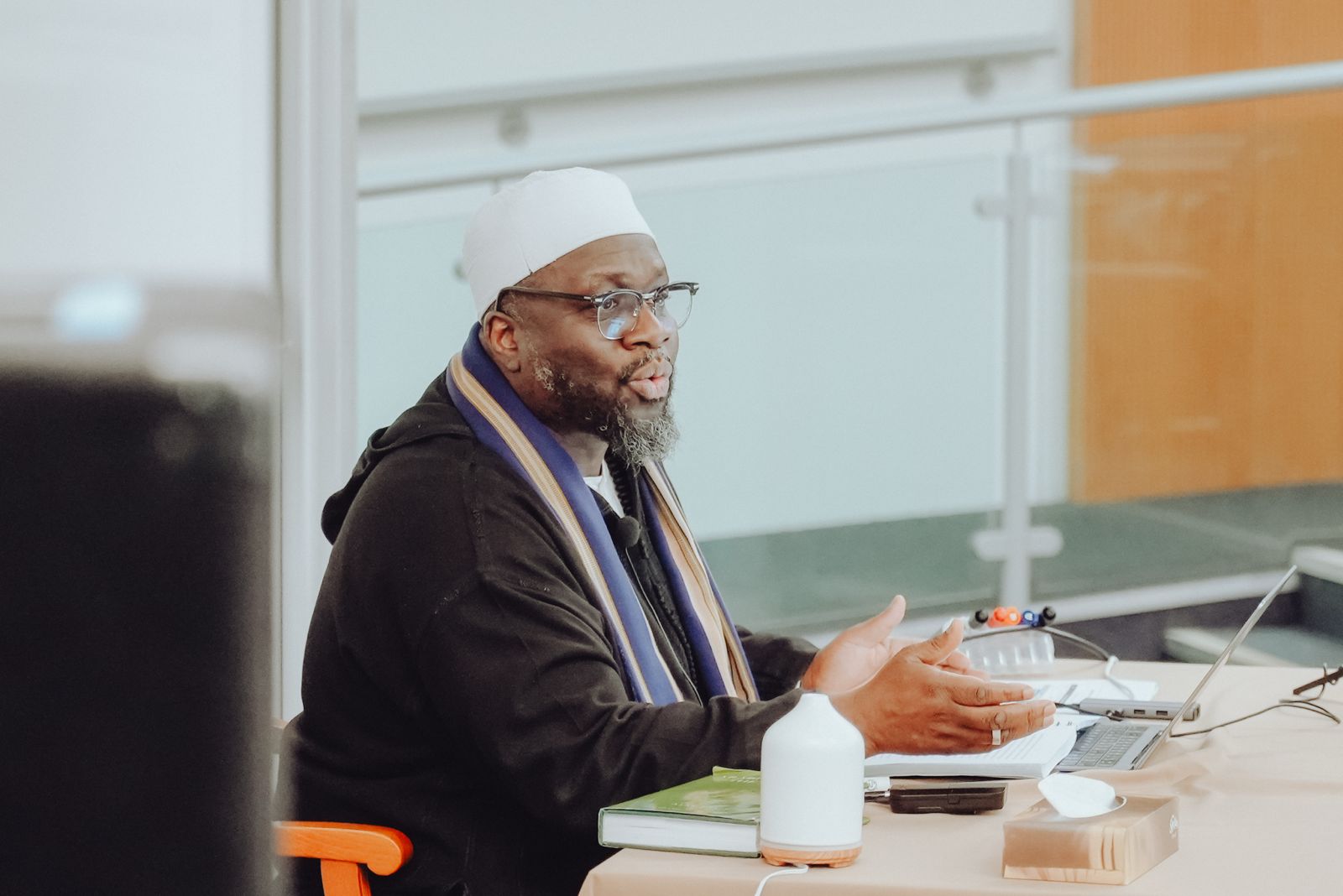
Shaykh Ibrahim was born and raised in Liverpool, England. He studied classical Islamic sciences in Syria and Mauritania at Abu Nur Institute, Damascus University, and the Mahdara of Murabit al-Haj. He later spent over six years in Tarim, Yemen, studying at Dar al-Mustafa and the Ribat of Tarim under scholars including al-Habib Umar b. Hafiz, al-Habib Kazim al-Saqqaf, and al-Habib Ali al-Jifri.
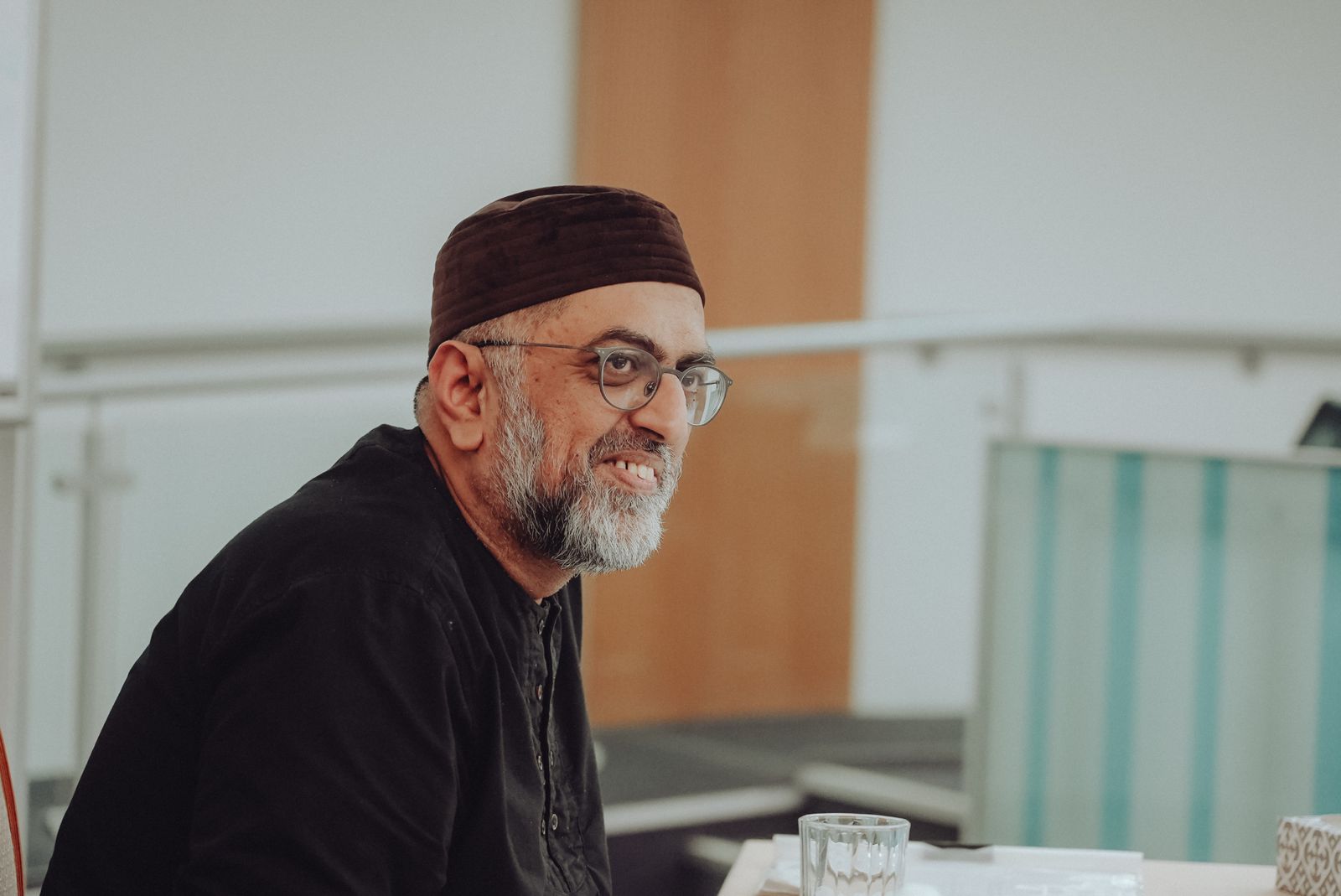
Shaykh Haroon began his studies in Liverpool with Shaykh Hamza Yusuf and later studied Arabic in France. After a decade balancing work and Islamic studies, he travelled to Syria in 2007. There he sat in the classes with some of the greatest scholars of Damascus including the likes of Shaykh Saeed Ramadan al-Buti. His teachers also include Shaykh Muhammad Jum'ah and Shaykh Samir al-Nass.
Shaykh Ibrahim was born and raised in Liverpool, England. He studied classical Islamic sciences in Syria and Mauritania at Abu Nur Institute, Damascus University, and the Mahdara of Murabit al-Haj. He later spent over six years in Tarim, Yemen, studying at Dar al-Mustafa and the Ribat of Tarim under scholars including al-Habib Umar b. Hafiz, al-Habib Kazim al-Saqqaf, and al-Habib Ali al-Jifri.
Shaykh Haroon began his studies in Liverpool with Shaykh Hamza Yusuf and later studied Arabic in France. After a decade balancing work and Islamic studies, he travelled to Syria in 2007. There he sat in the classes with some of the greatest scholars of Damascus including the likes of Shaykh Saeed Ramadan al-Buti. His teachers also include Shaykh Muhammad Jum'ah and Shaykh Samir al-Nass.
Born and raised in Liverpool, England. Ustadha Nagebah Hayel left the UK at the age of 19 to study Arabic in Damascus. After completing Damascus University’s Arabic Language programme, she moved with her family to Tarim, studying at the prestigious Dar al-Zahra for six years before also teaching there. Her teachers include Hababa Nur bint Muhammad al-Haddar, Ustadha Zaynab al-Khatib, Ustadha Halimah al-Aydarous.
Shaykh Ibrahim was born and raised in Liverpool, England. He studied classical Islamic sciences in Syria and Mauritania at Abu Nur Institute, Damascus University, and the Mahdara of Murabit al-Haj. He later spent over six years in Tarim, Yemen, studying at Dar al-Mustafa and the Ribat of Tarim under scholars including al-Habib Umar b. Hafiz, al-Habib Kazim al-Saqqaf, and al-Habib Ali al-Jifri.
Shaykh Haroon began his studies in Liverpool with Shaykh Hamza Yusuf and later studied Arabic in France. After a decade balancing work and Islamic studies, he travelled to Syria in 2007. There he sat in the classes with some of the greatest scholars of Damascus including the likes of Shaykh Saeed Ramadan al-Buti. His teachers also include Shaykh Muhammad Jum'ah and Shaykh Samir al-Nass.
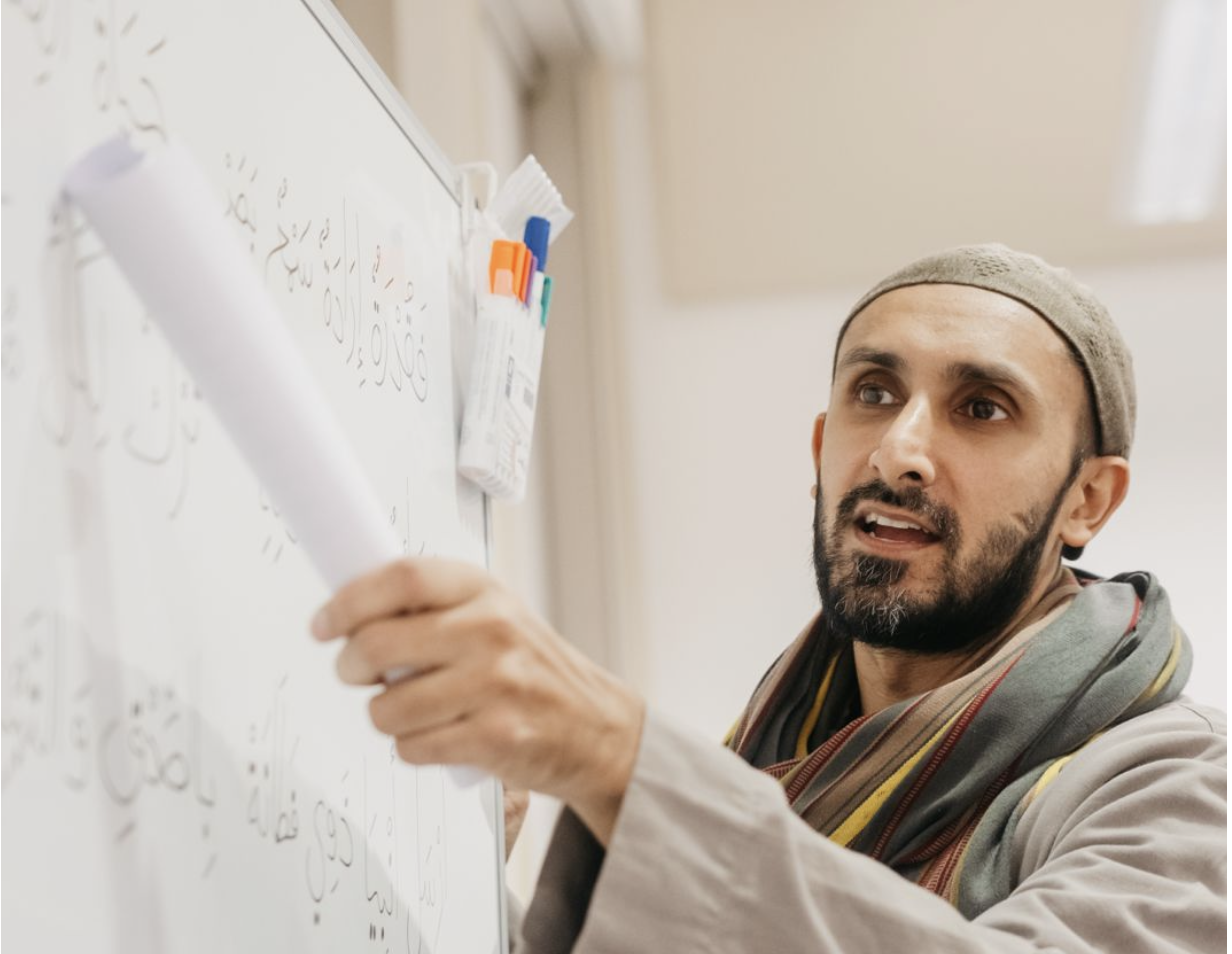
Born and raised in Nelson, Lancashire, Shaykh Shakeel completed the Micro Madrasah programme in 2010. He then remained as part of the administration team for a further 4 years. He departed for Cairo, Egypt in 2014 where he studied the Arabic language and Qur'anic recitation for over 3 years. He then travelled to the blessed city of Tarim, Yemen where he studied a number of Islamic sciences for a further 5 years. He is now returning to the UK to disseminate the knowledge that he has taken over the last 9 years.
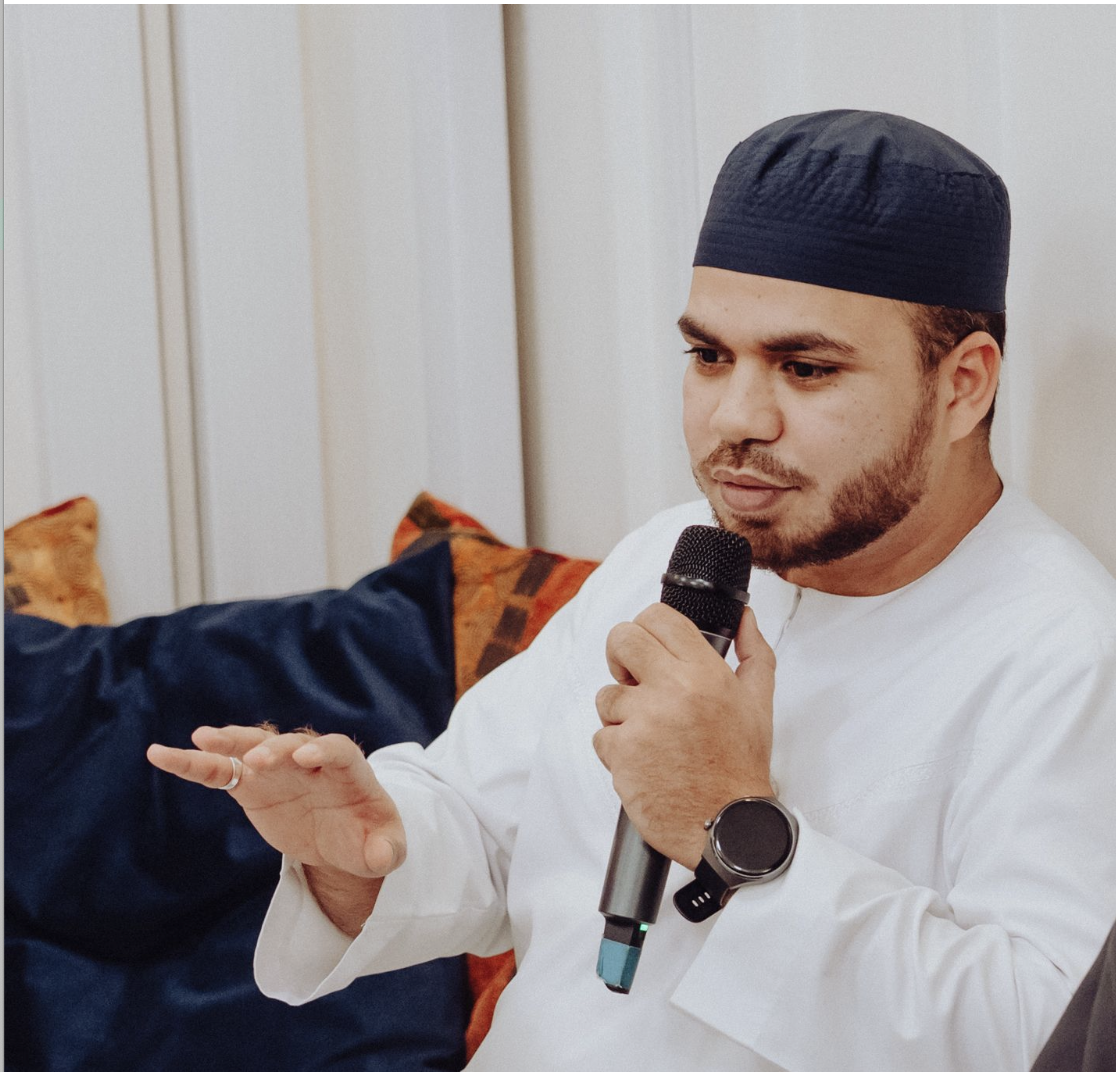
In 2010 Shaykh Mustafa left for the blessed lands of Tarim in order to seek sacred knowledge. For a year, he immersed himself in the study of Arabic. Guided by an unyielding desire to be closer to Allah's words, he then embarked upon memorising the noble Qur'ān. Under the guidance of the venerable Habib Umar bin Hafiz, he undertook a remarkable 10- year program studying the Islamic sciences including Qur'ānic Tafseer, Shafi Jurisprudence, Hadith and Arabic Grammar. After graduating in 2021, he went on to teach Qur'ānic Tafseer, Fiqh of Inheritance and the Arabic language at Dar al Mustafa. Whilst teaching at Dar al Mustafa, he studied the 7 modes of recitation with Sanad at Mahad al Aydarus Qur'ān school in Tarim. Shaykh Mustafa is now back in the UK and has continued to spread the knowledge taken from the blessed lands of Tarim.
Born and raised in Nelson, Lancashire, Shaykh Shakeel completed the Micro Madrasah programme in 2010. He then remained as part of the administration team for a further 4 years. He departed for Cairo, Egypt in 2014 where he studied the Arabic language and Qur'anic recitation for over 3 years. He then travelled to the blessed city of Tarim, Yemen where he studied a number of Islamic sciences for a further 5 years. He is now returning to the UK to disseminate the knowledge that he has taken over the last 9 years.
In 2010 Shaykh Mustafa left for the blessed lands of Tarim in order to seek sacred knowledge. For a year, he immersed himself in the study of Arabic. Guided by an unyielding desire to be closer to Allah's words, he then embarked upon memorising the noble Qur'ān. Under the guidance of the venerable Habib Umar bin Hafiz, he undertook a remarkable 10- year program studying the Islamic sciences including Qur'ānic Tafseer, Shafi Jurisprudence, Hadith and Arabic Grammar. After graduating in 2021, he went on to teach Qur'ānic Tafseer, Fiqh of Inheritance and the Arabic language at Dar al Mustafa. Whilst teaching at Dar al Mustafa, he studied the 7 modes of recitation with Sanad at Mahad al Aydarus Qur'ān school in Tarim. Shaykh Mustafa is now back in the UK and has continued to spread the knowledge taken from the blessed lands of Tarim.

The Micro Madrasa is taught as a 3 year course in various locations.

Three times of each academic year, the Sanctuary Retreats are held in the scenic grounds of Muṣṭafā Mount in Bradford.
In the tradition of Islām, the spiritual reality of any entity is reflected in its name. Thus, the retreat — and its aims — are intended to fulfil the purpose of being a true safe haven: a shelter from the lowly world of anxiety, and constant distraction.
The aim of the Sanctuary is to create an environment wherein one can connect to Allāh (t) throughout the day and night through the implementation of a prophetic schedule. This includes pre-dawn supplications, congregational prayer, wholesome prophetic food, physical activities, classes, and gatherings of remembrance.
The day begins with pre-dawn supplications, for that is the time when true relationships with the Divine are forged and accepted. The moments just before the emergence of dawn are also famously known as a time when all prayers — worldly or otherworldly — are granted.
Within the Sanctuary, Micro Madrasa classes continue for all students, as the arrangement of learning surrounded by natural creation only serves to enhance the intake of the mind and augment the spiritual experience.
Because the spirituality of food is significant in producing a wholesome body and soul, students at the Sanctuary are catered with meals inspired by the Prophetic diet — organic and nourishing. Prepared from wholesome, locally sourced ingredients, these meals are made with the intention of nourishing the body, rather than merely satisfying one's appetite.
An additional and distinct highlight of the Sanctuary is the opportunity to partake in a wide range of physical activities. These include prophetic sports such as archery and grappling, as well as other pursuits like beekeeping and sacred geometry.
Distance Learning option is available for students residing outside a radius of 65 miles from Bradford.
For those unable to commit to the full three-year journey, the Micro Madrasa now offers a transformative one-year abridged online course — a distilled yet unbroken transmission of the same orthodox curriculum. This accelerated path condenses the essential disciplines of the Foundational, Second, and Graduate Years into a single, cohesive arc, allowing the busy adult seeker to access the luminous core of Islāmic literacy without sacrificing depth or authenticity.
Students will still encounter the celebrated texts of Imām ad-Dardīr, Imām al-Ghazālī, and Imām al-Mūṣilī (r), tracing the prophetic light through theology, jurisprudence, spirituality, and Qur'ānic Arabic — all under the guidance of qualified teachers connected to the unbroken chain of transmission.
The benefits are manifold: flexibility of online study, a structured yet concise timeline, preservation of heart and mind connection to the Divine, and the spiritual safety of a curriculum rooted in the teachings of the Prophet (ﷺ), his noble Companions (r), and the Scholars. Whether you are balancing work, family, or prior commitments, this one-year abridged course offers a genuine, holistic sanctuary of knowledge — an efficient bridge to the eternal message of Islām without compromising the baraka of the traditional path.



At the core of the student experience lies the Rawḍah LMS — a custom-built online platform where learners register and gain seamless access to all their course materials, live and recorded online learning, upcoming events, and a growing library of other courses offered by the Greensville Trust.
More than a simple learning management system, Rawḍah serves as a vibrant digital sanctuary where students can donate to worthy causes in education, faith, and alleviating poverty — thereby extending the prophetic mercy beyond the virtual classroom.
Through this single portal, users become active members of the Greensville Trust community: enrolling their children in a range of age-appropriate Islāmic courses, visiting online Islāmic stores for authentic goods, and stepping forward as volunteers to support the Trust's charitable mission. Whether you are a current student, an alumnus, or a parent seeking wholesome education for your family, Rawḍah LMS unifies every aspect of the journey — learning, giving, connecting, and serving — all within an environment built upon the blessed model of the prophetic legacy.
The journey does not end with the completion of the Micro Madrasa course; rather, it blossoms into a lifelong fellowship. Alumni remain warmly connected with their former colleagues through dedicated online forums, social gatherings, and informal study circles — preserving the bonds of brotherhood and sisterhood forged in the pursuit of sacred knowledge.
Many graduates go on to enrol in other courses offered by the Greensville Trust, deepening their engagement with the tradition. A significant number take their studies even further, venturing into advanced classical Arabic (al-ʿArabiyyah al-Fuṣḥā) and the traditional Islāmic sciences (ʿulūm al-dīn), such as uṣūl al-fiqh, ḥadīth criticism, and tafsīr.
To nurture these enduring ties, the Trust regularly hosts alumni reunion events — often held at the serene grounds of Muṣṭafā Mount or online — where former students reconnect, share their ongoing scholarly pursuits, and renew their spiritual commitment in the company of teachers and peers. Thus, the Micro Madrasa becomes not merely a course of study, but the beginning of a vibrant, supportive, and ever-growing community anchored in the prophetic inheritance.
Coming up — further details and how to apply for Alumni Connect 2026–27 will be shared soon. Stay tuned, as applications will open shortly.

The course fee for MICRO 2026-2027 is £1195 per academic year and this will entitle you to:
A limited number of grants are available for applicants who are undergoing financial difficulty. Applicants are encouraged to seek alternative sources of sponsorship prior to applying for the grant. Applicants who wish to apply for an SDF grant should complete an application form for the Micro-Madrasa and choose the SDF Grant option.
The online course fee is £1195 per course and this will entitle you to:
Places are limited and offered on a first-come, first-served basis.
Your support helps us continue delivering high-quality learning experiences and expanding access to knowledge for students around the world. Every contribution, big or small, makes a meaningful difference.
By supporting this initiative, you are helping to:
We are committed to transparency, excellence, and community impact. With your support, we can continue to grow and serve with integrity and purpose.
Support today and be part of something meaningful.
Yes. The first year of the course ensures that the key obligatory knowledge within each of the subjects is conveyed. Hence, the course is suitable for people at all levels irrespective of their prior experience in an academic setting or lack thereof.
The curriculum follows a holistic design requiring all foundational subjects across Years One, Two, and Three.
Generally, each class lasts for 50–60 minutes. Some classes may be given extra time if needed.
Teachers may assign homework at their discretion, and students should revise lessons independently outside class.
Graduates may travel for further studies, engage in community work, or implement learned knowledge to benefit others.
All course texts, for each year of the Micro-Madrasa, are provided at the start. Additional recommended texts may be purchased optionally.
Exams are mandatory unless enrolling as an audit student, though auditors aren't considered course completers.
Unfortunately there are no childcare facilities available at the Micro-Madrasa (at both sites).
There are around 40 weeks of lessons, starting in September and finishing end of July. The sessions are arranged into three trimesters that can be between 10–14 weeks long each. There are usually breaks between each trimester and at Ramadan and after Eid.
Limited grants exist requiring advance application before the academic year begins.
Bradford offers free madrasa parking; Liverpool provides complimentary parking near Felicity House within walking distance.
The course is aimed at adults. As such, applications from children over the age of 16 will be processed.
There are no extra costs for attending the Sanctuary.
Graduates typically consult madrasa teachers about implementing knowledge within their communities.